
Old dog nasal discharge can be concerning for pet owners, especially when it persists or changes in color or thickness. While a little clear discharge can be normal, ongoing or unusual nasal discharge in an older dog is often a sign of an underlying issue that needs attention.
Table of Contents
Old Dog Nasal Discharge: Why It Happens
Nasal discharge in an old dog is most commonly caused by infections, inflammation, dental disease, or growths affecting the nasal passages. The discharge may be clear, thick, yellow, green, or even bloody depending on the cause.
In old age, dogs become more susceptible to chronic infections, tumors, and immune-related conditions that affect the respiratory system.
In many cases, nasal discharge is your dog’s way of responding to irritation, blockage, or disease within the nasal cavity.
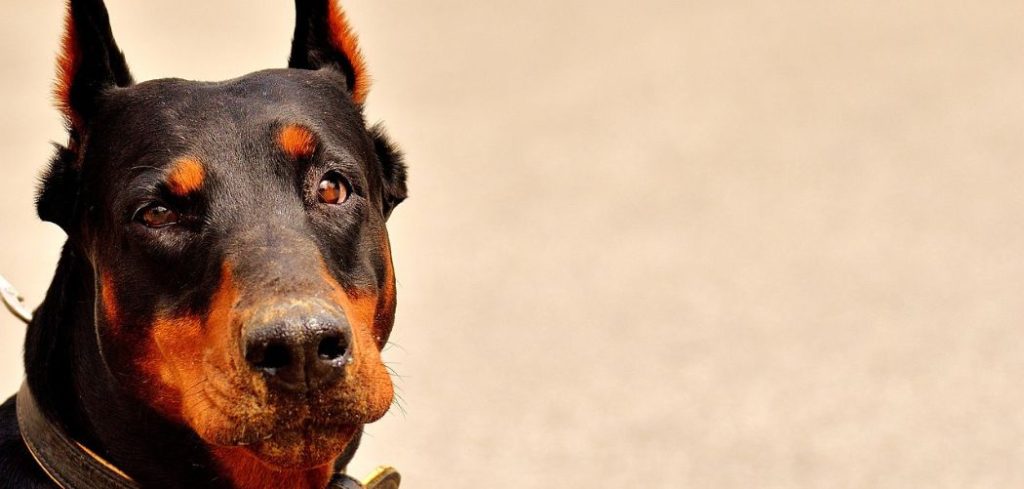
Old Dog Nasal Discharge: Symptoms
When an old dog has nasal discharge, there are often other signs that help identify the underlying problem.
Discharge from one or both nostrils (clear, cloudy, yellow, green, or bloody)
Sneezing or frequent snorting
Congestion or noisy breathing
Pawing at the nose or face
Reduced appetite due to decreased sense of smell
Swelling around the nose or face
Lethargy or decreased energy
Bad breath (especially if dental disease is involved)
Old Dog Nasal Discharge: Common Causes
Upper Respiratory Infections
Respiratory infections are a common cause of nasal discharge in dogs, especially as their immune system weakens with age. These infections can be caused by bacteria, viruses, or fungi.
The discharge is often thick and may appear yellow or green. Dogs may also sneeze frequently, show signs of congestion, or become less active.
In older dogs, infections may take longer to resolve and can sometimes become chronic if not treated properly.
Read more: Old Dog Bleeding From Nose (What it could mean)
Dental Disease
Dental problems are a surprisingly common cause of nasal discharge, particularly when the roots of the upper teeth become infected. The close proximity of tooth roots to the nasal passages means that infection can spread easily.
This can lead to discharge from one nostril, often accompanied by bad breath and difficulty eating. In some cases, the discharge may contain pus or even traces of blood.
Older dogs are especially prone to dental disease, making this an important cause to consider.
Nasal Tumors
Nasal tumors are more common in older dogs and can cause persistent discharge, often from one side of the nose. The discharge may start clear but can become bloody over time.
As the tumor grows, it can block airflow and cause swelling or deformity of the face. Dogs may also experience sneezing or difficulty breathing.
Because tumors can be serious and progressive, early detection is crucial.
Allergies
Allergies can cause nasal discharge, although they are less common as a primary cause in older dogs compared to younger ones. Environmental irritants such as dust, smoke, or strong odors can also trigger symptoms.
The discharge is usually clear and watery and may be accompanied by sneezing or mild irritation.
While often less severe, chronic exposure to irritants can worsen symptoms over time.
Foreign Objects
Occasionally, a foreign object such as a grass seed can become lodged in the nasal passage. This is more common in active dogs but can still occur in older ones.
The discharge is often sudden, usually affects one nostril, and may be accompanied by frequent sneezing or pawing at the nose.
If the object remains lodged, it can lead to infection and worsening symptoms.
Fungal Infections
Fungal infections, though less common, can cause significant nasal discharge in dogs. These infections can be more likely in certain environments and may affect older dogs with weakened immune systems.
The discharge may be thick, sometimes bloody, and often accompanied by discomfort or swelling around the nose.
Fungal infections can be more difficult to treat and often require specialized care.
Injury
Injury to the nose or nasal passages can lead to discharge, especially if there is internal damage or bleeding. This may occur from accidents, rough play, or falls.
The discharge may be tinged with blood, and the dog may show signs of pain or sensitivity around the face.
While minor injuries may heal on their own, more severe trauma requires veterinary attention.
Read more: Old Dog Mucus Nose (Causes and treatment)
Old Dog Nasal Discharge: What to Do
If your old dog has nasal discharge, start by observing the color, consistency, and frequency of the discharge. These details can provide helpful clues about the underlying cause.
Keep your dog’s nose clean by gently wiping away discharge with a soft, damp cloth. This helps prevent irritation and allows you to monitor changes more easily.
Ensure your dog is in a clean, dust-free environment to reduce exposure to irritants. Good air quality can help minimize symptoms.
Encourage hydration, as this helps thin mucus and supports overall health. Make sure fresh water is always available.
Monitor your dog’s behavior closely, including appetite, energy levels, and breathing. Any changes can indicate that the condition is worsening.
When to Call or Visit Your Vet
If nasal discharge persists for more than a few days, it’s important to consult your veterinarian. Ongoing symptoms are rarely normal in older dogs.
Seek immediate care if the discharge is bloody, foul-smelling, or coming from only one nostril, as this may indicate a tumor or severe infection.
You should also contact your vet if your dog shows difficulty breathing, swelling around the face, or significant changes in appetite.
Frequent sneezing, lethargy, or worsening symptoms should not be ignored.
Any sudden or severe onset of symptoms warrants prompt evaluation.
Old Dog Nasal Discharge: Treatment
Veterinary treatment for old dog nasal discharge depends on identifying the underlying cause.
Your vet may perform a physical exam, along with diagnostic tests such as blood work, X-rays, or nasal imaging. In some cases, a sample of the discharge may be analyzed.
If an infection is diagnosed, antibiotics or antifungal medications may be prescribed. Dental-related issues may require cleaning or tooth extraction.
For tumors, treatment options may include surgery, radiation, or supportive care depending on the severity.
In cases of allergies or irritation, environmental management and medications may be recommended.
Early diagnosis and targeted treatment are key to improving outcomes and keeping your dog comfortable.
Key Takeaway
Old dog nasal discharge can range from mild and temporary to serious and progressive, depending on the cause.
While some cases may be linked to minor irritation, others may involve infections, dental disease, or tumors that require prompt attention.
By monitoring symptoms, maintaining a clean environment, and seeking veterinary care when needed, you can help ensure your dog stays comfortable and healthy.
Your awareness and early action play a crucial role in identifying problems and supporting your dog’s well-being as they age.


